
Florida homebuyers may soon see a significant change in how much of their home’s value is protected from property taxes. Following voter approval of Florida Amendment 3 on November 3, 2026, the state’s homestead exemption is increasing, potentially providing substantial property tax savings for eligible homeowners.
The new law, officially associated with the Save Our Homes from Excessive Property Taxes amendment, increases the homestead exemption to $150,000 beginning in 2027 and $250,000 beginning in 2028 for qualifying homeowners. However, not everyone moving to Florida will immediately qualify for the full exemption.
If you are planning to purchase a home in Florida, relocate from another state, or establish Florida as your permanent residence, understanding these changes can help you make more informed decisions about homeownership and your future property tax expenses.
Here is what Florida buyers need to know about the new homestead exemption, eligibility requirements, important dates, and how the changes could affect your property taxes.
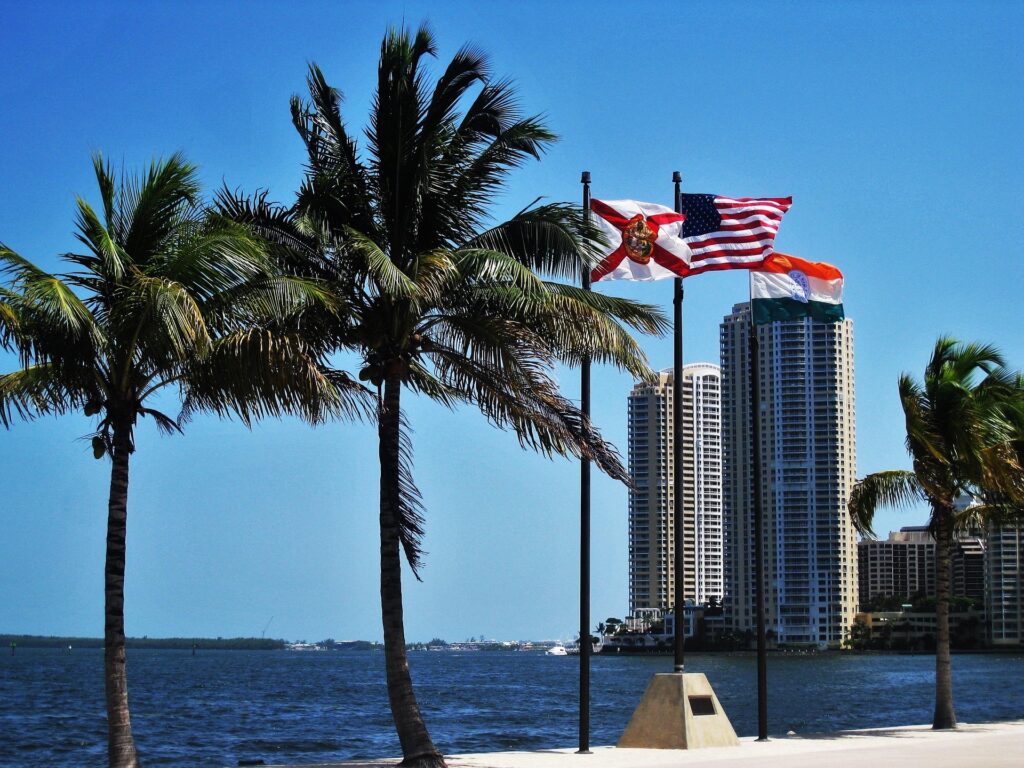
What Is Florida's New Homestead Exemption Amendment?
On November 3, 2026, Florida voters approved Amendment 3, a constitutional amendment that expands the state’s homestead property tax exemption.
A homestead exemption reduces the assessed value of an eligible primary residence for property tax purposes. In other words, homeowners pay property taxes on a lower taxable value than they otherwise would.
Under the new amendment, qualifying homeowners will receive an increased exemption:
● 2027: Up to $150,000 of assessed property value.
● 2028: Up to $250,000 of assessed property value.
● 2029 and beyond: The exemption amount will be adjusted annually for positive inflation growth.
An important detail is that the new increased exemption applies to property taxes other than school district taxes. The existing homestead exemption provisions that apply to school taxes remain relevant.
This is not a $250,000 cash rebate or a direct reduction in a home’s purchase price. It is a reduction in the assessed value used to calculate eligible property taxes.
When Does the New Florida Homestead Exemption Take Effect?
The amendment takes effect January 1, 2027.
Here is the planned timeline:
| Tax year | Increased exemption |
| 2027 | $150,000 |
| 2028 | $250,000 |
| 2029 and beyond | Adjusted annually for positive inflation |
For example, if a qualifying homeowner has a property with an assessed value of $400,000 in 2028, up to $250,000 of that value will be exempt from eligible non-school property taxes.
The remaining taxable value for those taxes would be $150,000, before considering other applicable exemptions or adjustments.
Keep in mind that actual property tax bills depend on the property’s assessed value, applicable tax rates, taxing districts, and other exemptions.
Who Qualifies for the New $250,000 Florida Homestead Exemption?
This is one of the most important parts of Amendment 3, especially for people relocating to Florida.
The amendment creates different eligibility rules depending on when someone established Florida as their permanent residence.
1. Existing Florida Residents as of December 31, 2026
Individuals who maintained Florida as their permanent residence on or before December 31, 2026, may qualify for the increased exemption once they establish a qualifying homestead.
These homeowners are eligible for:
● Up to $150,000 in additional assessed-value exemption beginning in 2027.
● Up to $250,000 beginning in 2028.
● Annual positive inflation adjustments beginning in 2029.
Importantly, you do not necessarily have to own your Florida home by December 31, 2026, to qualify under this provision. The amendment addresses people who maintained Florida as their permanent residence by that date and have established or will establish a qualifying homestead.
This distinction could be particularly important for someone who is renting in Florida now but plans to purchase a home in 2027 or later.
2. People Moving to Florida on or After January 1, 2027
The rules are different for individuals who did not maintain Florida as their permanent residence by December 31, 2026.
New Florida residents will initially qualify for the existing $50,000 homestead exemption, with the amount adjusted annually for positive inflation growth beginning in 2028.
They can become eligible for the larger exemption beginning with their fifth year of homestead exemption.
In practical terms, this creates a five-year waiting period before qualifying for the full increased exemption.
For example, someone moving from New York to Florida in 2027 and establishing a Florida homestead would initially receive the $50,000 exemption. They would need to maintain their qualifying homestead exemption through the required period before becoming eligible for the larger exemption.
The amendment also allows certain local governments, beginning in 2030, to reduce the five-year waiting requirement by a two-thirds vote when a critical local need exists.
Important for out-of-state buyers: Simply purchasing a home in Florida does not automatically qualify you for the increased exemption. Your permanent residency date and homestead eligibility matter.
What Is the Florida Homestead Exemption, and How Does It Work?
Florida’s homestead exemption is a property tax benefit available to homeowners who own and occupy a property as their permanent residence, subject to eligibility requirements.
It is not available for every property you own.
Generally, qualifying properties include:
● A single-family home used as your primary residence.
● A qualifying condominium that serves as your permanent residence.
● A qualifying townhome or other residential property used as your primary residence.
Properties generally do not qualify if they are used exclusively as:
● Vacation homes.
● Rental or investment properties.
● Second homes that are not the owner’s permanent residence.
For example, if you own a home in New York and purchase a vacation condominium in Fort Lauderdale, you cannot simply claim Florida homestead on the condominium while continuing to maintain your primary residence in New York.
However, if you relocate to Florida, establish your permanent residence here, and meet the ownership and occupancy requirements, you may qualify.
How Much Could Florida Homeowners Save on Property Taxes?
The amount homeowners save depends on their property’s assessed value and the local property tax rates.
The increased exemption reduces the portion of assessed value subject to eligible non-school property taxes. The higher the applicable tax rate, the greater the potential savings from an exemption of the same amount.
For example, consider a Florida home with an assessed value of $500,000 in 2028.
● Assessed property value: $500,000
● New homestead exemption: $250,000
● Remaining assessed value for eligible non-school taxes: $250,000
This does not mean the homeowner pays no property taxes on the home. School district taxes and other applicable tax provisions still need to be considered.
It is also important to understand that assessed value and market value are not necessarily the same. A home’s assessed value is determined by the county property appraiser for tax purposes.
Before purchasing a home, buyers should review the property’s current tax history and obtain an estimate based on their anticipated ownership and homestead status. The seller’s existing tax bill may not accurately reflect what a new buyer will pay.
How Do You Apply for the Florida Homestead Exemption?
Homeowners must establish eligibility and apply through the property appraiser’s office in the county where the property is located.
For example:
● Broward County homeowners apply through the Broward County Property Appraiser.
● Miami-Dade County homeowners apply through the Miami-Dade County Property Appraiser.
● Palm Beach County homeowners apply through the Palm Beach County Property Appraiser.
The general homestead exemption filing deadline is March 1 of the tax year for which the exemption is requested.
Buyers should plan to:
1. Establish the property as their permanent Florida residence.
2. Meet the applicable ownership and residency requirements.
3. Gather documentation supporting Florida residency and occupancy.
4. Submit the homestead exemption application to their county property appraiser.
5. Confirm that the exemption has been approved.
Documentation may include a Florida driver’s license or identification card, Florida vehicle registration, voter registration, and other records supporting permanent residency.
Because Amendment 3 introduces new eligibility distinctions, buyers should check with their county property appraiser for updated application instructions and documentation requirements.
Does Amendment 3 Affect Florida Investment Properties?
Yes, although not in the same way as primary residences.
The increased homestead exemption is intended for qualifying primary residences, not rental properties or second homes.
However, Amendment 3 also reduces the annual assessment increase cap for certain non-homestead residential and nonresidential properties from 10% to 5%, beginning in 2027, for applicable non-school tax assessments.
This is a separate provision of the amendment that may be relevant to Florida real estate investors and owners of rental properties.
If you are purchasing an investment property, do not assume you will receive the increased homestead exemption.
What Should Florida Homebuyers Do Before Purchasing a Home?
Florida’s new homestead exemption creates another important consideration for buyers, particularly those relocating from other states.
Before purchasing, consider these steps:
● Determine when you will establish Florida as your permanent residence.
● Understand whether you qualify under the existing-resident or new-resident provisions.
● Review the property’s assessed value and current property tax history.
● Ask for an estimated property tax calculation based on your anticipated homestead eligibility.
● Confirm the applicable homestead filing requirements with the county property appraiser.
For buyers relocating to South Florida, this is particularly important when comparing homes in Pembroke Pines, Miramar, Weston, Davie, Cooper City, Plantation, Fort Lauderdale, and surrounding Broward and Miami-Dade County communities.
Property taxes are an important part of calculating the true cost of homeownership. Understanding the new exemption can help buyers prepare a more accurate monthly housing budget.
Frequently Asked Questions About Florida's New Homestead Exemption
Did Florida pass the $250,000 homestead exemption?
Yes. Florida voters approved Amendment 3 on November 3, 2026. The increased exemption is scheduled to reach $250,000 in 2028 for eligible homeowners, applying to non-school property taxes.
When does the new Florida homestead exemption start?
The amendment takes effect January 1, 2027. Qualifying homeowners can receive up to $150,000 in exemption for 2027 and up to $250,000 beginning in 2028.
Can someone moving to Florida in 2027 receive the $250,000 homestead exemption?
Not immediately. People who did not maintain Florida as their permanent residence by December 31, 2026, generally begin with the $50,000 exemption and can qualify for the larger exemption beginning with their fifth year of homestead exemption.
Do I have to own a home in Florida by December 31, 2026, to qualify?
Not necessarily. The amendment provides eligibility for individuals who maintained Florida as their permanent residence by December 31, 2026, and have established or will establish a qualifying homestead.
Does the Florida homestead exemption apply to school taxes?
The increased $150,000 and $250,000 exemption applies to non-school property tax levies. School district taxes are treated separately under Florida’s homestead exemption provisions.
Can I claim a Florida homestead exemption on a second home?
Generally, no. The property must qualify as your permanent residence. Vacation homes, second homes, and rental properties do not qualify simply because you own them.
Does the new homestead exemption eliminate Florida property taxes?
No. The exemption reduces the taxable assessed value for eligible property tax levies. Homeowners may still owe school district taxes and other applicable property taxes.
Buying a Home in South Florida? Understand Your Property Taxes Before You Buy.
Florida’s new homestead exemption is an important development for current homeowners and people considering relocating to the Sunshine State. However, the difference between existing Florida residents and new residents could have a meaningful impact on the property taxes a buyer pays during the first several years of ownership.
At The Zuber Group, we believe buyers should understand the financial considerations of homeownership before making a purchase. That includes looking beyond the listing price and considering property taxes, insurance, HOA fees, and other ongoing expenses.
If you are considering buying a home in Pembroke Pines, Miramar, Weston, Davie, or anywhere in South Florida, we can help you evaluate the local real estate market and understand the questions you should be asking before purchasing.
Thinking about buying a home in South Florida? Contact The Zuber Group to discuss your home search and the costs of homeownership.
Disclaimer: This article is provided for general educational purposes and is not legal, tax, or financial advice. Homestead exemption eligibility and property tax calculations depend on individual circumstances and applicable law. Contact your county property appraiser or a qualified tax professional for guidance regarding your specific situation.
Florida’s New $250,000 Homestead Exemption: What Homebuyers Need to Know About Amendment 3 in 2027
Learn how Florida’s new homestead exemption increases to $150,000 in 2027 and $250,000 in 2028, including eligibility requirements, important dates, and potential property tax savings for homebuyers.
Pembroke Pines Neighborhood Guide: 6 Communities to Explore
In this guide, local real estate specialists at The Zuber Group break down six established Pembroke Pines communities: SilverLakes, Chapel Trail, Pembroke Falls, Pembroke Isles, Towngate, and Pembroke Shores, to help you evaluate which area aligns best with your lifestyle and housing goals.
How Much Does It Cost to Buy a Home? A Complete Guide to the Upfront and Ongoing Costs
If you’re thinking about buying a home, one of the first questions you’re probably asking is: How much money do I actually need to buy a house?