
If you’re thinking about buying a home, one of the first questions you’re probably asking is: How much money do I actually need to buy a house?
The answer is more complicated than simply looking at the price of the home.
Your total cost to buy a home can include your down payment, closing costs, inspections, appraisal, earnest money deposit, prepaid taxes and insurance, and other expenses. After you close, you’ll also need to budget for your monthly mortgage payment, property taxes, homeowners insurance, HOA fees if applicable, maintenance and other costs of homeownership.
The good news is that you do not necessarily need a huge down payment or hundreds of thousands of dollars in cash to become a homeowner. There are loan programs with down payments as low as 0% for qualified buyers, as well as programs that allow 3% or 3.5% down.
Here’s what you should know before you start shopping for a home in South Florida.
What Are the Main Costs of Buying a Home?
When you purchase a home, your costs generally fall into three categories:
1. Money you need before or at closing
2. Your ongoing monthly housing expenses
3. Other costs of owning and maintaining the home
The amount you need will depend on the home’s purchase price, the type of mortgage you use, your credit profile, your lender, your insurance costs and the property itself.
Let’s break it down.
1. Your Down Payment
When you purchase a home, your costs generally fall into three categories:
1. Money you need before or at closing
2. Your ongoing monthly housing expenses
3. Other costs of owning and maintaining the home
The amount you need will depend on the home’s purchase price, the type of mortgage you use, your credit profile, your lender, your insurance costs and the property itself.
Let’s break it down.
1. Your Down Payment
The down payment is usually the largest upfront expense when buying a home.
A common misconception is that you need 20% down. While putting 20% down can have advantages, it is not required for most home purchases.
Depending on your situation, you may qualify for:
- 0% down with certain VA or USDA loan programs
- 3% down with some conventional loan programs
- 3.5% down with an FHA loan
- 5% or more with many conventional loans
- Larger down payments if you want to reduce your monthly payment or avoid certain mortgage insurance costs
For example, on a $400,000 home:
- 3% down = $12,000
- 3.5% down = $14,000
- 5% down = $20,000
- 10% down = $40,000
- 20% down = $80,000
The right down payment isn’t necessarily the largest one you can afford. You also want to make sure you have enough money left over for closing costs, moving expenses, emergencies and the unexpected expenses that come with owning a home.
2. Closing Costs
Your down payment isn’t the only money you’ll need at closing.
Closing costs are the various fees and expenses associated with obtaining your mortgage and completing the real estate transaction.
As a general estimate, buyers may want to budget approximately 2%–5% of the purchase price for closing costs, although the actual amount can vary significantly.
Closing costs can include:
- Lender fees
- Loan origination charges
- Appraisal
- Credit report
- Title services
- Title insurance
- Recording fees
- Survey, when applicable
- Attorney fees, depending on the transaction
- Prepaid interest
- Property tax escrows
- Homeowners insurance
- Mortgage insurance, when applicable
- HOA or condominium-related fees
Not every buyer will pay every fee, and some costs may be negotiated between the buyer and seller.
Can the Seller Pay Your Closing Costs?
Sometimes.
Depending on the type of loan, market conditions and the terms of the purchase contract, a seller may agree to provide seller concessions that can help cover some of the buyer’s allowable closing costs and prepaid expenses.
This can be particularly helpful for buyers who have enough money for a down payment but don’t want to use all of their available cash to close.
However, there are limits and rules surrounding seller concessions, so your lender should determine what is permitted for your particular loan.
3. Earnest Money Deposit
When you make an offer on a home, you may be required to provide an earnest money deposit.
This is money deposited into an escrow account as part of the purchase contract. It demonstrates that you’re serious about purchasing the property.
The amount varies depending on the market, property and terms of the contract.
Importantly, earnest money isn’t necessarily an additional expense on top of your down payment and closing costs. If the transaction closes, it is generally credited toward the money you owe at closing.
There are specific rules governing when earnest money can be returned or forfeited, so buyers should understand their contract before making a deposit.
4. Home Inspection
A home inspection is another expense buyers should plan for.
A typical inspection can identify potential issues with the home’s structure, roof, plumbing, electrical systems, HVAC and other components.
The cost varies based on the size and type of property and the inspections performed.
In South Florida, buyers may also consider additional inspections depending on the property, such as:
- Four-point inspection
- Wind mitigation inspection
- Pool inspection
- Roof inspection
- Sewer or plumbing inspection
- Mold inspection
- Termite or WDO inspection
Not every property requires every inspection, but it’s important to budget for due diligence before purchasing a home.
5. Appraisal
If you’re obtaining a mortgage, your lender will generally require an appraisal to determine the property’s estimated market value.
The appraisal helps the lender determine whether the home provides sufficient collateral for the loan.
The buyer typically pays for the appraisal, although the exact process can vary by lender.
An appraisal is different from a home inspection. The inspection focuses primarily on the condition of the home, while the appraisal is primarily concerned with determining its value for lending purposes.
6. Homeowners Insurance
Insurance is especially important when buying a home in Florida.
Florida homeowners can face higher insurance costs because of hurricanes, wind exposure, property age, roof condition, flood risk and other factors.
Your insurance premium can have a significant impact on how much home you can comfortably afford.
Before getting too far into the home-buying process, it’s smart to get an insurance quote for properties you’re seriously considering. Two homes with similar purchase prices can have dramatically different insurance costs.
Also remember that flood insurance is separate from a standard homeowners insurance policy and may be required or strongly recommended depending on the property’s location and flood risk.
7. Property Taxes
Property taxes are another major component of the cost of owning a home.
Your property taxes will depend on the property’s assessed value and the applicable tax rates.
Florida’s property tax situation can also be confusing for buyers because the seller’s current tax bill may not accurately reflect what the buyer’s taxes will be after purchasing the property.
For example, a longtime homeowner may have exemptions or a lower assessed value that will not necessarily carry over to the new owner.
That’s why buyers should look beyond the seller’s current tax bill when estimating their future housing costs.
How Much Money Should You Have Saved Before Buying?
There isn’t one dollar amount that works for every buyer.
Instead, think about having enough money for several different categories:
Down payment + closing costs + inspections and due diligence + moving expenses + emergency reserves
For example, a buyer purchasing a $400,000 home with a 5% down payment might need $20,000 for the down payment plus additional funds for closing costs and other expenses.
However, the actual amount of cash needed could be lower depending on the loan program, seller concessions, lender credits and other factors.
Your goal shouldn’t simply be to have enough money to get the keys. You want to be financially comfortable after you get them.
Do You Really Need 20% Down?
No.
The idea that you need 20% down to buy a home is one of the biggest misconceptions among prospective buyers.
There are multiple mortgage options available to qualified borrowers with significantly smaller down payments.
Putting less money down can allow you to purchase a home sooner and keep more of your savings available for emergencies, improvements and other expenses.
On the other hand, a larger down payment may reduce your monthly payment and, depending on the loan, could reduce or eliminate mortgage insurance.
The best choice depends on your financial situation rather than a one-size-fits-all rule.
What About First-Time Homebuyers?
First-time buyers may have access to programs and assistance designed to make homeownership more affordable.
Depending on eligibility, these programs can potentially help with:
- Down payment assistance
- Closing costs
- Lower down payment requirements
- Special mortgage programs
- Tax benefits or credits, depending on current laws and programs
Eligibility requirements vary, and programs can change over time.
If you’re a first-time buyer, it’s worth discussing your options with a knowledgeable mortgage professional before assuming you need to save 20% of the purchase price.
Don't Forget the Cost of Owning the Home
Buying the house is only the beginning.
Once you’re a homeowner, you’ll need to budget for ongoing maintenance and repairs.
Some expenses are predictable, such as:
- HVAC maintenance
- Lawn care
- Pest control
- Pool maintenance
- Routine plumbing and electrical repairs
Others can be much less predictable, such as replacing an air conditioner, water heater or roof.
This is one reason we recommend that buyers avoid using every dollar they have available to purchase a home.
A home should fit not only your budget at closing but also your budget after closing.
So, How Much Does It Really Cost to Buy a Home?
The answer depends on your specific situation, but the basic calculation looks like this:
Cash needed to purchase a home = Down payment + closing costs + inspections/due diligence + prepaid expenses and other upfront costs
Then you’ll want to calculate:
Monthly housing cost = Principal + Interest + Property Taxes + Insurance + Mortgage Insurance + HOA, if applicable
For a $400,000 home, a buyer might potentially purchase with a down payment of only $12,000–$20,000 using certain low-down-payment loan programs, but the total cash needed to close will be higher once closing costs and other expenses are included.
Your actual numbers could be substantially different.
The Best Place to Start Is With Your Numbers
If you’re thinking about buying a home, don’t start by looking at the most expensive house a lender says you qualify for.
Start by determining what monthly payment feels comfortable for your household.
Then work backward to determine a realistic purchase price and the amount of cash you’ll need to purchase it.
A good real estate agent and mortgage professional can help you understand the numbers before you start seriously shopping, which can make the entire process much less stressful.
Thinking About Buying a Home in South Florida?
If you’re considering buying a home in Broward County, Miami-Dade County or the surrounding South Florida area, The Zuber Group can help you understand the process from the first conversation through closing.
We work with buyers to help them understand not just what they can buy, but what it actually takes to purchase and comfortably own a home.
Have questions about how much you need to buy a home? Contact The Zuber Group to talk through your options and get started.

Top Things Homeowners Need to Know in 2026 if You Are Selling
If you are a homeowner in South Florida, particularly in areas like Broward, Miami Dade. Here are the top things you absolutely must know to achieve a successful and profitable sale in 2026.
The Home That Didn’t Sell: Unpacking Why Your Listing Expired (And What To Do Next)
This comprehensive guide will break down the ten most common culprits, informed by the latest industry statistics and trends, to give you a clear path forward.
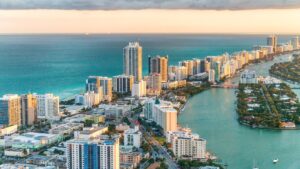
Is 2026 a good time to buy a home in South Florida?
For years, buyers were plagued by bidding wars and skyrocketing prices. In 2026, the narrative is changing. According to NAR Chief Economist Lawrence Yun, 2026 is a year of “normalization.”